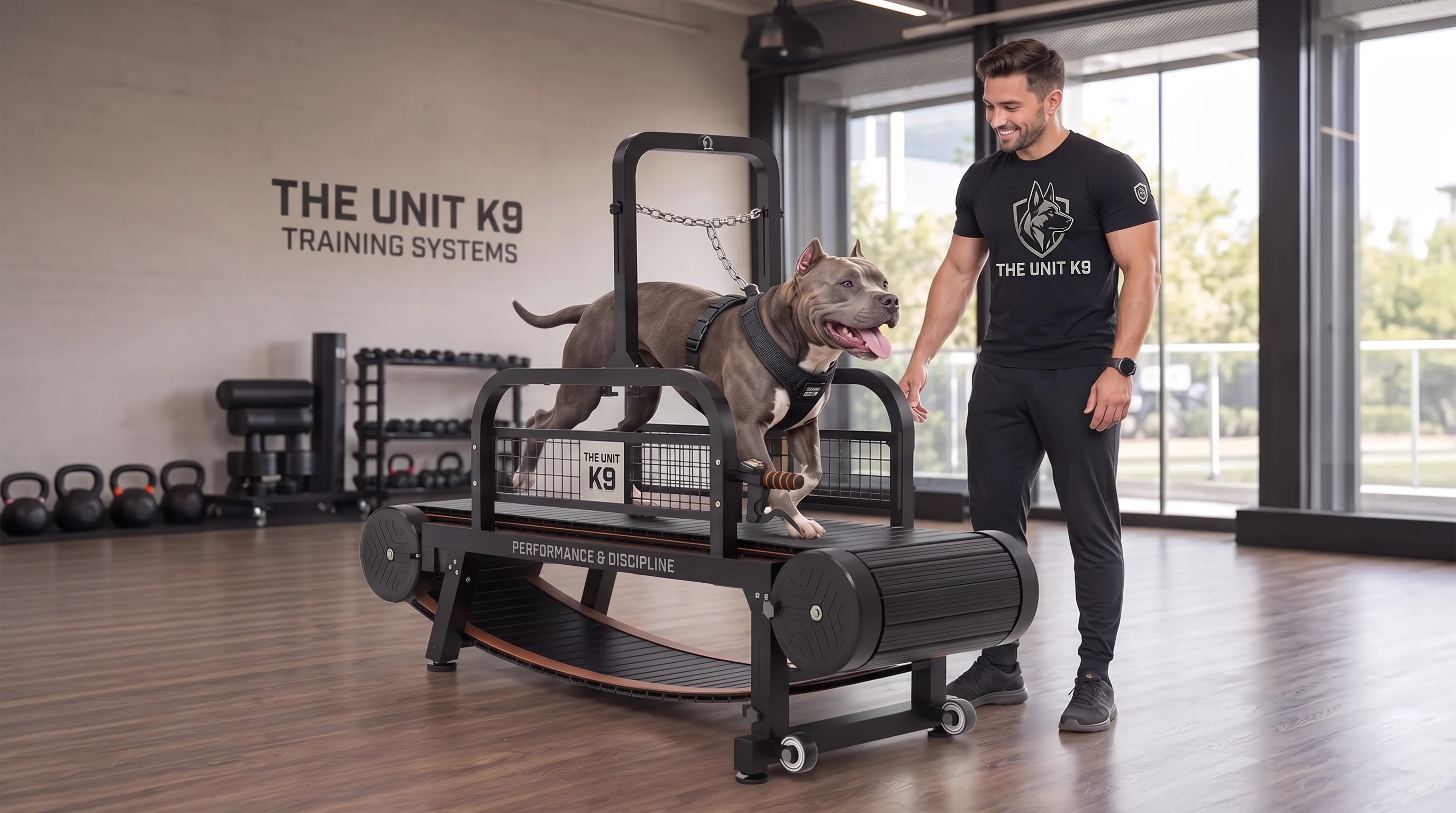
How much exercise does a dog actually need?
Most dogs need considerably more than they get, and the honest answer depends on breed, age and build. Here is a practical baseline, plus the signs your dog is under-exercised.
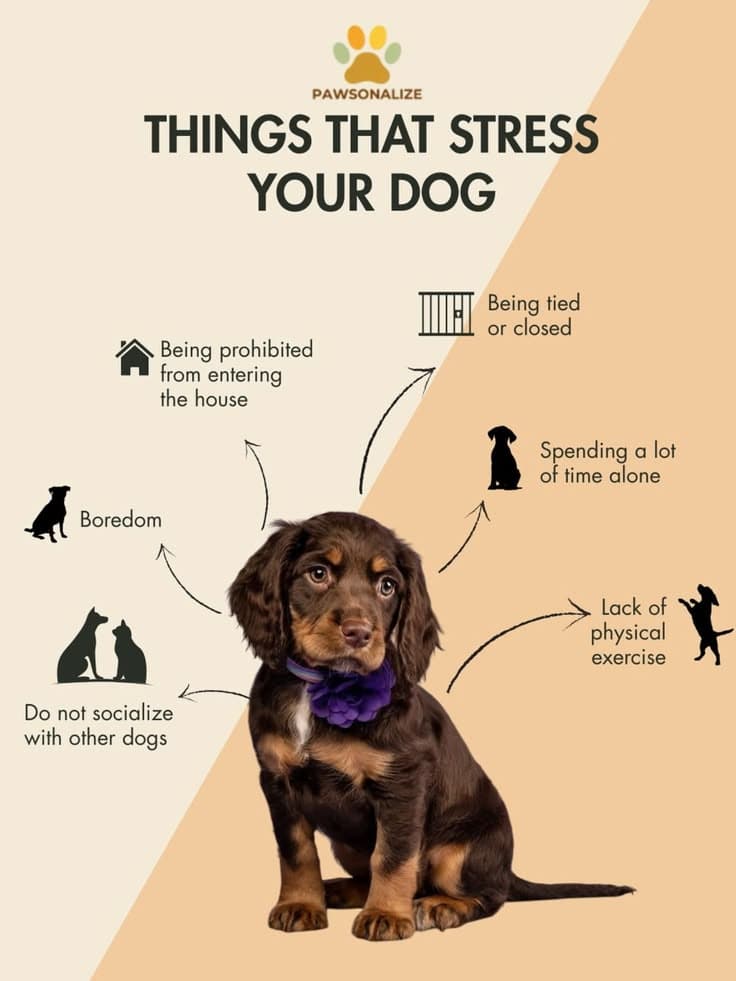
Most adult dogs need between 30 minutes and two hours of real activity a day. The range is enormous because a bulldog and a border collie are barely the same animal, and because a slow sniff around the block is not the same thing as exercise.
A rough daily baseline
| Type of dog | Daily activity | Examples |
|---|---|---|
| Working and herding | 90–120+ minutes | Border Collie, Malinois, German Shepherd |
| Sporting and hounds | 60–90 minutes | Labrador, Vizsla, Beagle |
| Terriers and mixes | 45–60 minutes | Jack Russell, Staffordshire Bull Terrier |
| Toy and companion | 30–45 minutes | Cavalier, Pug, Shih Tzu |
| Seniors | 20–40 minutes, gentler | Any breed, adjusted for mobility |
| Puppies | 5 min per month of age, twice a day | Growing joints need restraint |
Flat-faced breeds should be worked shorter and cooler regardless of what the table says. Their breathing, not their enthusiasm, sets the limit.
Duration is not the same as intensity
An hour of stopping at every lamppost is enrichment, and enrichment is genuinely valuable, but it is not conditioning. Building cardiovascular fitness and muscle requires sustained effort at a raised heart rate, held for a meaningful stretch. Twenty minutes of that does more for a dog's body than an hour of ambling.
Signs your dog is under-exercised
- Destructive behavior when left alone
- Barking or whining that has no obvious trigger
- Restlessness in the evening, pacing, an inability to settle
- Weight gain despite unchanged feeding
- Overexcitement or poor impulse control on greeting people
- Pulling hard on the leash from the moment you leave the door
Owners tend to read these as training problems. Often they are simply unspent energy, and a dog with somewhere to put that energy becomes far easier to train.
Consistency beats volume
A dog who does thirty focused minutes four times a week is fitter, calmer and healthier than one who does nothing all week and a two-hour hike on Sunday. Bodies adapt to routine, not to occasional heroics, and weekend-only exertion is how soft-tissue injuries happen.